

Highway Survival Guide: The US Iran war is far from over.
Driving over 1,200 miles across the U.S. Eastern Seaboard is not just a casual winter commute – it is a serious long-distance transit through unpredictable weather zones, volatile fuel supply chains, and congested commercial corridors. For Canadian snowbirds heading south, a lack of preparation can quickly transform an annual pilgrimage into a dangerous and costly roadside emergency.
If you are planning to drive down to Florida this season, especially with pets, you must execute your route with tactical precision. Here is the authoritative directive on navigating the drive safely and protecting your multi-month stay.
The Fuel Trap: How to Avoid Getting Stranded
Regional refinery disruptions, post-storm power grid failures, and distribution bottlenecks can wipe out local gas station supplies along major Interstate corridors without warning. Finding yourself on an empty tank at a dark, closed highway exit is a real and dangerous risk.
Non-Negotiable Refueling Rules:
The “Half-Tank” Mandate: Treat 1/2 tank as absolute empty. Never let your fuel gauge drop below 50%. The moment you hit a half tank, pull over and refuel at the next available major interchange. This buffer guarantees you have enough range to reach secondary or tertiary supply hubs if an entire county’s stations go dark.
Stick Exclusively to Commercial Megastops: Do not rely on isolated, single-pump rural gas stations. Target high-volume travel plazas, such as Pilot Flying J, Love’s, TravelCenters of America (TA), and Buc-ee’s. These commercial hubs sit on prioritized fuel delivery networks, possess industrial backup power, and maintain strict supply contracts to keep interstate freight moving.
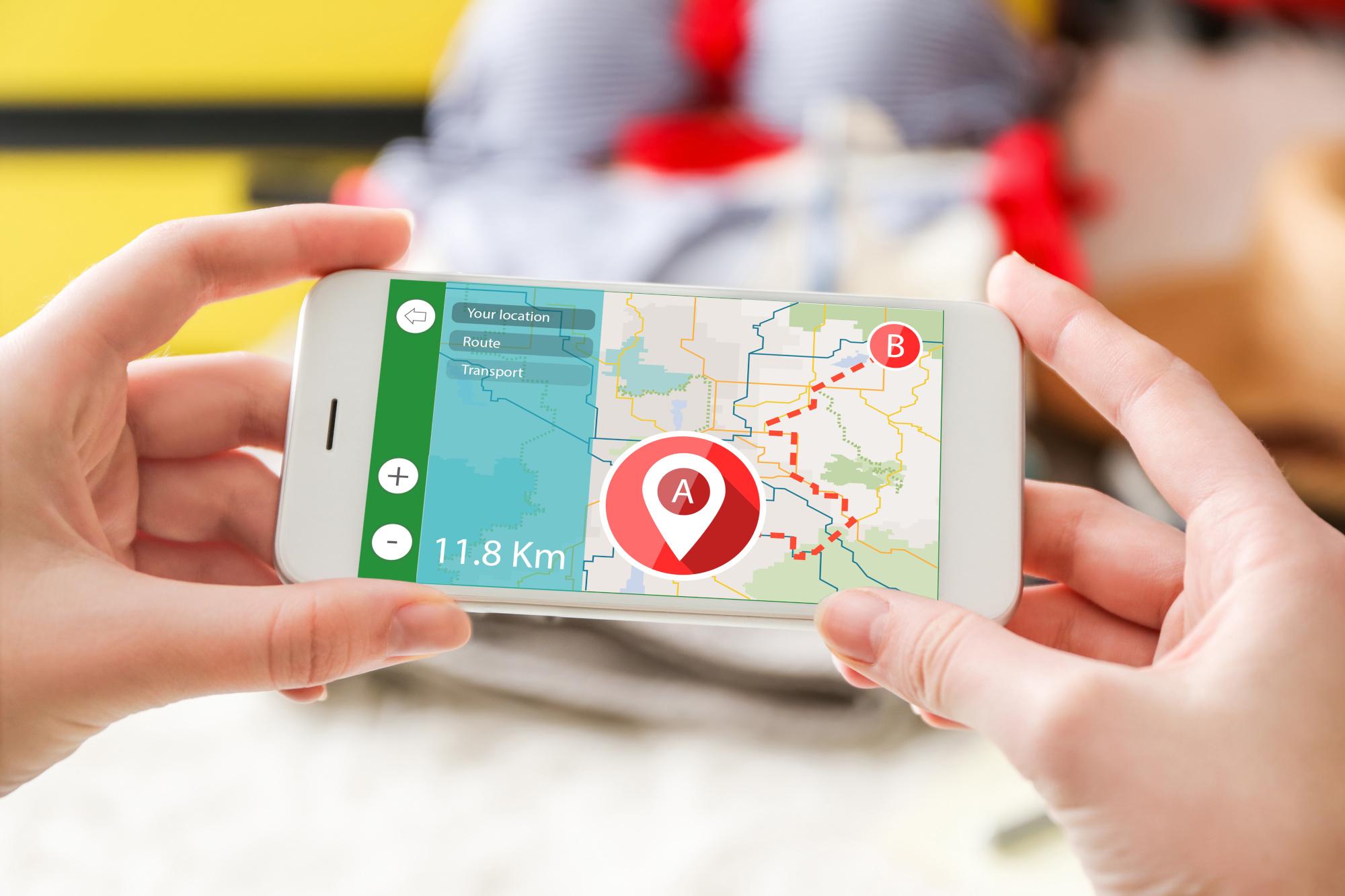
Monitor Live Grid Conditions: Download GasBuddy and Waze before crossing the border. Require your passenger to audit upcoming exits for confirmed fuel inventory and active power outages at least 60 miles ahead of your position.
High-Speed Transit with Pets: Zero Room for Error
Transporting animals across international borders and high-speed highways requires strict adherence to safety protocols. A panicked pet at a busy highway truck stop can turn catastrophic in seconds.
Essential Pet Safety Protocols:
Enclosed Relief Stops Only: Always leash your dog in an open rest area. Parking lots are adjacent to high-speed interstate traffic. Plan stops strictly at major travel plazas that have pet zones.
Border Compliance Records: Keep hard copies of valid rabies vaccination certificates and recent veterinary health evaluations immediately accessible in the glove compartment. U.S. Customs and Border Protection (CBP) officers can and will refuse entry or issue quarantine holds for non-compliant pets.
Emergency Kit: Pack 72 hours of water, food, and necessary prescriptions directly in the passenger cabin, never buried beneath cargo or in a towed trailer.
Securing Your Florida Domicile
Arriving in Florida does not mean dropping your guard. Regional fuel panics and severe weather events can cause sudden runs on local infrastructure.
Maintain Reserve Levels: Adopt a strict policy of keeping all household vehicles topped off above 3/4 tank throughout your stay.
Utilize Commercial Hubs: Identify high-volume wholesale fuel sites (such as Costco or BJ’s) near your residence early, as they receive priority tanker replenishments during localized shortages.
Final Directive
A successful snowbird season depends on disciplined execution from the minute you start your engine. Respect the distance, treat fuel as a critical resource, and eliminate logistical vulnerabilities before you cross the border. Safe driving demands preparation.