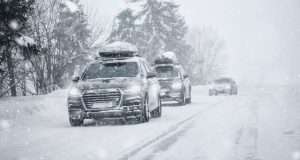
These highways span large swaths of the U.S., from coast to coast and border to border. High speeds, commercial vehicle traffic, limited law enforcement in remote areas, and aging infrastructure make these roads exceptionally hazardous.
 Canada’s Notorious Highways
 Canada’s Notorious Highways
While Canada’s highway system is smaller and sees fewer overall fatalities, certain routes are infamous for deadly crashes:
- Ontario Highway 401 (“Carnage Alley”): Particularly between Windsor and London, this highway has a long record of fatal pileups, crossover crashes, and high-speed incidents.
- Alberta Highway 63 (“Highway of Death”): A major route to Fort McMurray, it was once one of the most feared roads in Canada due to frequent head-on collisions and a lack of passing lanes.
🛑What Makes These Roads So Dangerous?
Understanding the root causes helps explain why these highways top the danger list.
Common Risk Factors Across North America:
- Heavy freight traffic, particularly on interstates like I‑95, I‑10, and I‑35
- Driver fatigue, speeding, and distracted driving
- Aging or inadequate infrastructure, such as short merge lanes or narrow shoulders
- Extreme weather — snow, fog, or ice, especially on routes like I‑80 and Highway 63
- Lack of safety barriers or median dividers, particularly in older two-lane configurations
Stay tuned for Part Two, where we dive into the crash histories and what governments are doing to make these roads safer.
🚧How Governments Are Making North America’s Deadliest Roads Safer!
After decades of deadly collisions, transportation agencies across North America have finally responded with aggressive improvements aimed at making the most dangerous highways safer.
United States: Fixing America’s Riskiest Roads
 United States: Fixing America’s Riskiest Roads
Interstate 95 (I‑95)
Crash Profile: Rollover incidents, rear-end crashes from congestion, and short merge zones.
Notable Crashes: 2023 Philadelphia tanker fire collapsed an overpass; 2024 Norwalk crash caused a fiery bridge failure.
Fixes Underway:
- Bridge replacements and ramp redesigns in Connecticut (West Haven and Norwalk)
- Traffic management systems in Pennsylvania (real-time sensors, automatic warnings)
- Fast-track rebuilds using lightweight materials to minimize downtime
Interstate 10 (I‑10) & I‑20
Crash Profile: Long stretches through Texas, Arizona, and Louisiana with high-speed accidents and fatigue-related crashes
Fixes:
- Speed enforcement via highway patrol drones and automatic license plate recognition
- Expanded rest areas to fight fatigue
- Shoulder widening and median upgrades
Interstate 5 (I‑5)
Crash Profile: Urban congestion in California, erratic lane changes, weather variability in Oregon/Washington
Fixes:
- Express lanes in metro areas like LA and Seattle
- Seismic upgrades to aging overpasses
Canada: Modernizing the Infamous 401 & 63
Ontario Highway 401 (“Carnage Alley”)
Crash Profile: Speeding (23%), impaired (17%) and distracted drivers (15%), with past crossover fatalities
Fixes:
- High-tension cable barriers along key stretches (Windsor–London) — eliminated crossover deaths between 2017–2022
- Rumble strips, paved shoulders, better lighting
- Lane-widening to 6+ lanes in expansion zones
Alberta Highway 63 (“Highway of Death”)
Crash Profile: Formerly undivided highway; head-on collisions common
Fixes:
- Full twinning of 240 km between Grassland and Fort McMurray completed by 2016
- Commercial vehicle inspection stations using thermal and weigh-in-motion tech
- Continued upgrades on surrounding network (e.g., Hwy 881)
⚠ What’s Still Needed?
While improvements are underway, many of these highways still face:
- Underfunding or delayed projects in rural stretches
- Enforcement gaps, especially in remote areas
- The need for automated warning systems and real-time hazard alerts
🚗Final Word
North America’s highways are lifelines — but for too many, they become death traps. Whether you’re a long-haul trucker or a commuter, awareness is the first defense. With billions now being invested into smarter, safer infrastructure, the worst roads are finally getting the attention they need. But until those upgrades are complete, your caution behind the wheel is the most effective safety system of all. Just remember – if you are involved in a motor vehicle accident Snowbirdaccidents.com has your back.