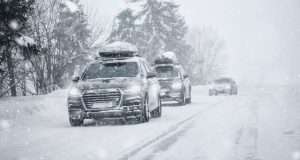
We rely on daily weather forecasts to plan our lives. Predictions of snow, sleet, storms, hurricanes, tornadoes, or rain often dictate our activities. On stormy days, we tend to stay indoors, while sunny days inspire us to get outside and enjoy ourselves. However, many of us still need to drive to work, regardless of the weather. Like the old adage goes: “Neither snow nor rain nor heat nor gloom of night will stay us from the completion of our daily trek.”
For snowbirds, though—whether retired, on holiday, or enjoying extended vacations—the pace of life is more flexible. We’re not bound to daily commutes, and we have the option to delay travel or wait out a storm. Still, despite the best planning, we can sometimes find ourselves caught in dangerous weather-related situations on the road.
Weather-Related Accident Statistics
According to the U.S. Federal Highway Administration:
- There are more than 5.8 million vehicle crashes annually in the U.S., and 21% (about 1.2 million) are weather-related.
- Weather-related crashes occur during conditions such as rain, sleet, snow, fog, high winds, or on slick roads from wet, icy, or snowy surfaces.
- Annually, these crashes lead to nearly 5,000 fatalities and over 418,000 injuries.
- Most of these accidents occur during rainfall (46%) or on wet pavement (70%).
- 18% happen during snow or sleet, 13% on icy roads, and 16% on snowy or slushy pavement.
Common Causes of Weather-Related Accidents
The primary reason for weather-related accidents is simple: drivers tend to go too fast for the conditions.
In adverse weather, controlling a vehicle becomes more challenging. For instance, during rain, your tires are designed to channel water away to maintain contact with the road. However, during heavy rainfall—or if your tires are worn—your vehicle is at risk of hydroplaning, where the tires lose contact with the road, causing a significant loss of control over steering and braking, increasing the chances of an accident.
Visibility also plays a critical role. Whether it’s nighttime, heavy rain, fog, or snow, poor visibility makes it harder to react to road conditions and hazards. Your ability to see clearly directly impacts your ability to drive safely.
Traction and Visibility: Key Factors in Determining Fault
In accidents caused by bad weather, traction and visibility are often the main issues, but road conditions don’t relieve drivers of their responsibility to adapt their driving to the situation.
Take, for example, a recent case involving a Florida resident traveling north to Canada. He encountered a snowstorm just after crossing the border. Without snow tires and no experience driving in icy conditions, he lost control of his vehicle and ended up in a ditch. Thankfully, he was unhurt, but his car was severely damaged. Despite his explanations to his insurance company, he was found 100% at fault. While the insurance company was lenient about the lack of snow tires, they concluded he was driving too fast for the conditions, and as a result, his rates increased.
Weather-Related Accidents Are Still Your Fault
The key takeaway is that no matter how bad the weather is, it’s your responsibility as the driver to adjust your speed and driving habits to match the conditions. Slow down, stay alert, and make sure your vehicle is equipped for the season, whether that means having snow tires or using appropriate windshield washer fluid for freezing temperatures.
Whenever possible, avoid driving in dangerous weather. It’s always safer to wait for the storm to pass before continuing your journey.
Helping Snowbirds Injured Across North America
For over 40 years, we’ve been helping Canadians involved in car accidents and other personal injury incidents while traveling in the United States. Each year, millions of snowbirds—residents from Canada and the northern U.S.—head south to escape the cold. Unfortunately, some are involved in accidents, including car, motorcycle, and pedestrian incidents.
We’re here to help snowbirds navigate the legal and insurance challenges that arise from accidents across North America, ensuring they receive the support they need in the aftermath of an incident.
Cross border accidents and claims are very complicated – when help is needed call the free snowbird hotline.” Use phone number and email.
Helping Snowbirds Injured Across North America
For over 40 years, we’ve been helping Canadians involved in car accidents and other personal injury incidents while traveling in the United States. Each year, millions of snowbirds-residents from Canada (and the northern U.S.A) – head south to escape the cold. Unfortunately, accidents happen. When they do we are here to help navigate the legal and insurance challenges that arise.
Cross Border Accidents and claims are very complicated!
Call the Free Snowbird Helpline 1-800-587-6992
Or Email – snowbirdaccidents@yahoo.com,
Or https://snowbirdaccidents.com/contact/