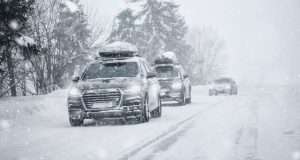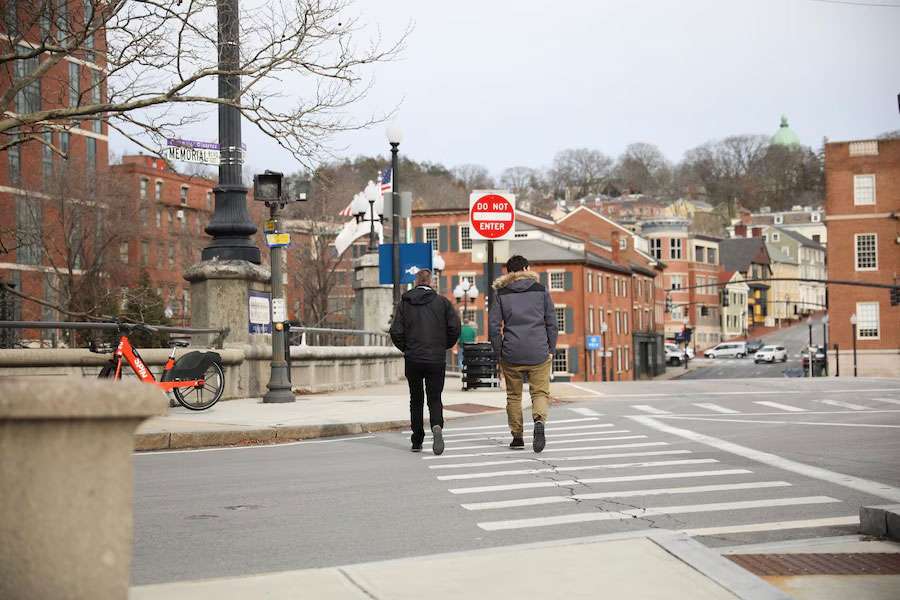
As snow has started covering Canada, a lot of Canadian snowbirds are moving to the USA’s warmer regions. When driving patterns are different between two nations, people often take precautionary measures to avoid mis-happenings. However, the safety of people walking on streets, aka pedestrian safety, is a frequently overlooked aspect of travel.
Canadian pedestrians walking on the streets of the USA may witness differences in road structures, crosswalk rules, and even the behavior of drivers. Whether you are in Florida, Arizona, or any other place that attracts snowbirds, the important thing is to be aware of and practice safe walking habits.
This guide is prepared for Canadian pedestrians walking on the streets of the United States, so it is safe to assume that it will provide helpful tips for a secure and pleasant trip.
Understanding Pedestrian Laws in the USA
Though there are many similarities, some pedestrian laws are implemented quite differently across the United States and Canada. Most differences are in how crosswalks are treated, jaywalking laws, and the expectations of drivers and pedestrians.
Differences in Crosswalk Etiquette
In Canada, if there is a “Walk” sign, you have the right to cross at marked crosswalks. This holds true for many areas in the United States, too, but these key differences exist:
- Marked vs. Unmarked Crosswalks: The U.S. has both types. You still have the right of way at unmarked crossings, especially at intersections. But be careful! Drivers might not expect to see pedestrians there, especially in rural or suburban areas.
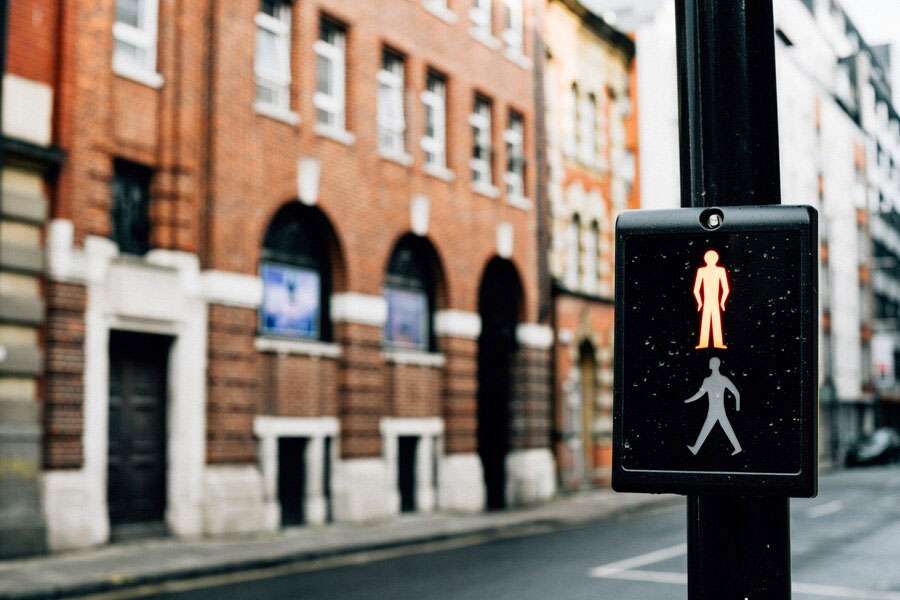
- Crosswalk Signals: Keep an eye out for crosswalk signals in cities and urban areas. In the United States, these signals change quicker than you are used to. Sometimes, the “Walk” signal flashes before switching back to “Don’t Walk,” even if you are in the middle of a crossing.
Jaywalking: What’s Legal?
Jaywalking means crossing the street where you should not. This includes crossing outside crosswalks or ignoring traffic signals. It is usually against the law in Canada and the U.S., but how strictly it is enforced depends on where you are.
- City vs. Suburb: In big cities like New York or Los Angeles, you are more likely to get a ticket for jaywalking than in smaller towns. So, be careful about crossing in the middle of the street or against the light. You could get a warning or even a fine.
- Know the Local Laws: Each state has different rules about walking. For example, California has stricter laws about jaywalking than some other states. It is a good idea to learn the local rules wherever you are.
How are Road Designs Different?
Roads in Canadian cities are designed to give preference to pedestrians, whereas American metropolises strongly emphasize vehicular infrastructure, which complicates walking around to some degree.
Wider Roads and Faster Speeds
As a Canadian accustomed to a stricter driving policy, the first thing that will stand out when you cross the border is how low-speed limits can be in the suburbs. Streets in these areas are multi-lane in both directions, making pedestrian crossing a much lengthier and more dangerous activity. You should:
- Avoid Crossing Blindly: Try to spot traffic lights or walking islands when crossing multi-lane roads. Letting the road split into two halves is a bad idea unless there is a designated crosswalk.
- Pay Attention to Turning Lanes: A warning signal at an intersection may occasionally be accompanied by cars turning left or right. Always ensure a safe turn is clear before attempting to move across the intersection.
Sidewalk Availability
In Canada, sidewalks are a feature of most neighborhoods and urban areas. However, the situation is different in the United States. Here, sidewalks are sparse in most suburban and rural areas. You must:
- Be Prepared to Walk on the Road: Where sidewalks are nonexistent, you are left with no space than the road’s shoulder. Make sure you always walk against traffic (on the left side of the road) so that all oncoming vehicles are visible.
- Wear Bright or Reflective Clothing: If you are walking at night, make sure you are visible to motorists. Wear light-colored or reflective clothing, and try carrying a flashlight or wearing a headlamp.
Cultural Differences to Watch for in Driver Behavior
For Canadian pedestrians, one of the most challenging aspects of walking in the USA is adapting to the way drivers behave on the road. Overall, drivers in both nations are mostly respectful; however, as a pedestrian, you may encounter differences that are cultural in nature.
Turning On Red Lights
In most Canadian provinces, turning to the right on a red light is acceptable if the vehicle stops first. The same remains true in America as well. However, the rate at which drivers make use of this provision can be quite troubling for pedestrians. So, you have to:
- Always Double Check: Even if you are given the green signal to walk, check twice for any driver taking the right turn. The driver may not notice you if they are scanning the road before turning their vehicle.
Distracted Driving
Distracted driving, especially when talking on the phone, is a rising problem in both Canada and America. Stats reveal that the percentage of distracted drivers is significantly higher in some regions of the United States, despite laws aimed at minimizing the use of phones behind wheels. You should:
- Stay Alert: Always look for drivers, especially around intersections and near crosswalks. Even if you have the right of way, do not expect them to stop at all or see you.
What To Do If You Are Involved in An Accident?
It is obvious that there are times when exercising due diligence is not enough, and a misfortune strikes. If you are involved in a pedestrian mishap in the United States, follow these steps:
Seek Medical Attention
Do not take it for granted if your possibility of getting hurt seems limited; this is the time to get a medical check-up. Some injuries may emerge later.
Report the Case to Local Authorities
Report the accident to local police authorities and request a copy of the accident report for record purposes.
Document the Scene
If possible, take pictures at the spot of the accident. The photos should include the vehicle involved and your visible injuries. This documentation is helpful in the successful settlement of insurance claims or surviving legal tussles.
Contact Snowbird Accidents
To get help in the event of an accident, visit snowbirdaccidents.com – your trusted resource for navigating the challenges of being a snowbird in the United States.
Helping Snowbirds Injured Across North America
For over 40 years, we’ve been helping Canadians involved in car accidents and other personal injury incidents while traveling in the United States. Each year, millions of snowbirds—residents from Canada (and the northern U.S.A) — head south to escape the cold. Unfortunately, accidents happen. When they do we are here to help navigate the legal and insurance challenges that arise.
Cross Border Accidents and claims are very complicated!
Call the Free Snowbird Helpline 1-800-587-6992
Or Email – snowbirdaccidents@yahoo.com,
Or https://snowbirdaccidents.com/contact/