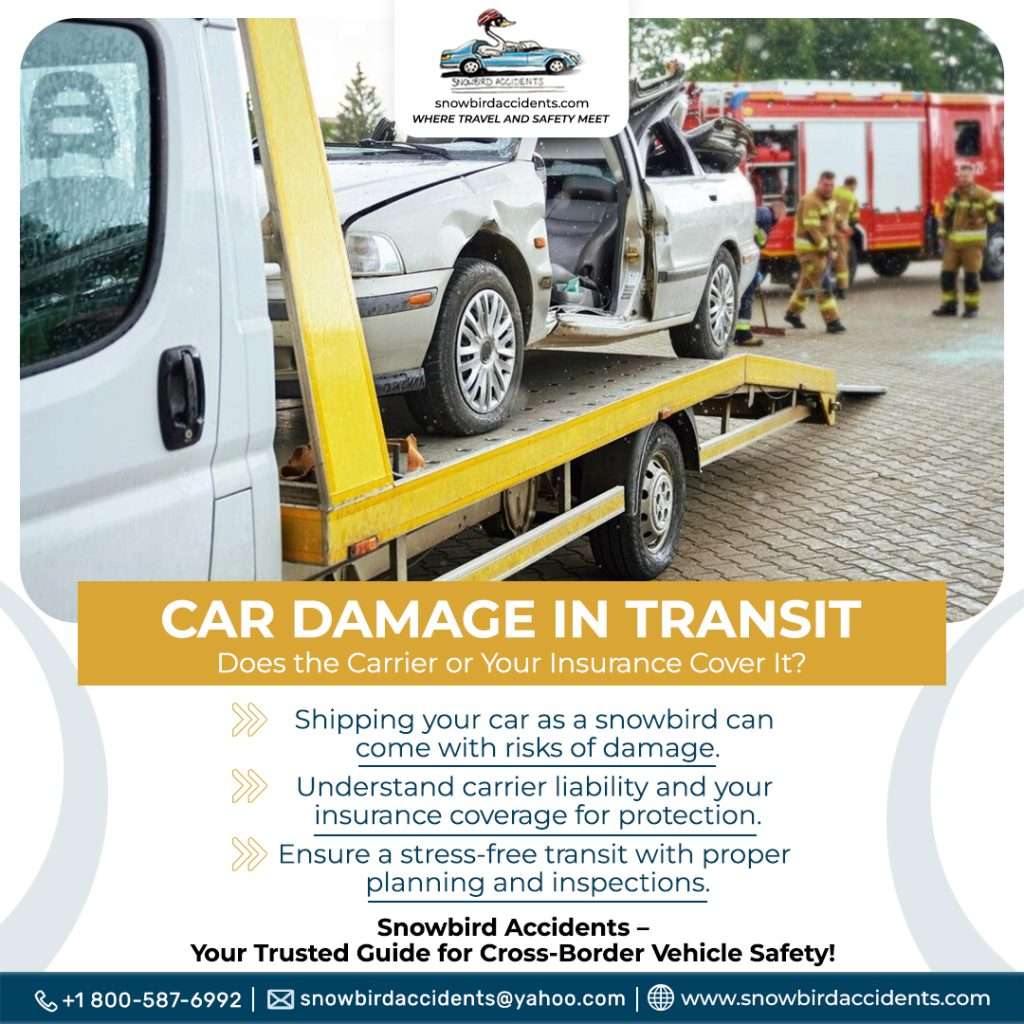
Transporting your vehicle from colder regions to warmer areas can be time-consuming and stressful. Canadian snowbirds are used to it, believing that shipping makes their life easier. However, it is also seen that shipping is not free from risks, and any shipped car can suffer some damage during transit.
When a Canadian snowbird’s car gets damaged during transportation, the most common question that comes to mind is, “Who would pay for the repairs?” This blog post will help you understand who covers car damage in transit, what safety measures you can take, and how to protect yourself as a Canadian snowbird.
Understanding the Basics of Car Shipping for Snowbirds
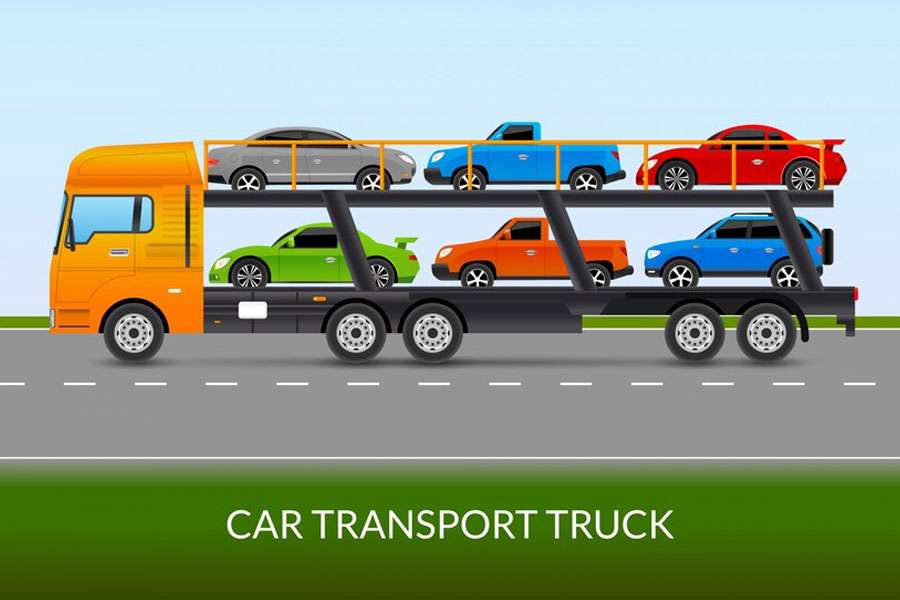
Transporting your car is more than just handing it over to a carrier. Note that there are several steps to be considered, and damages can occur during any of them.
The entire process starts with finding a good car shipping company. After that, you must choose one of the following shipping methods:
- Open Transport: It is cheaper and exposes your car to environmental elements.
- Enclosed Transport: It is costly but provides more protection to your car.
Once a decision has been made, you are asked to sign a contract containing the service’s terms and conditions.
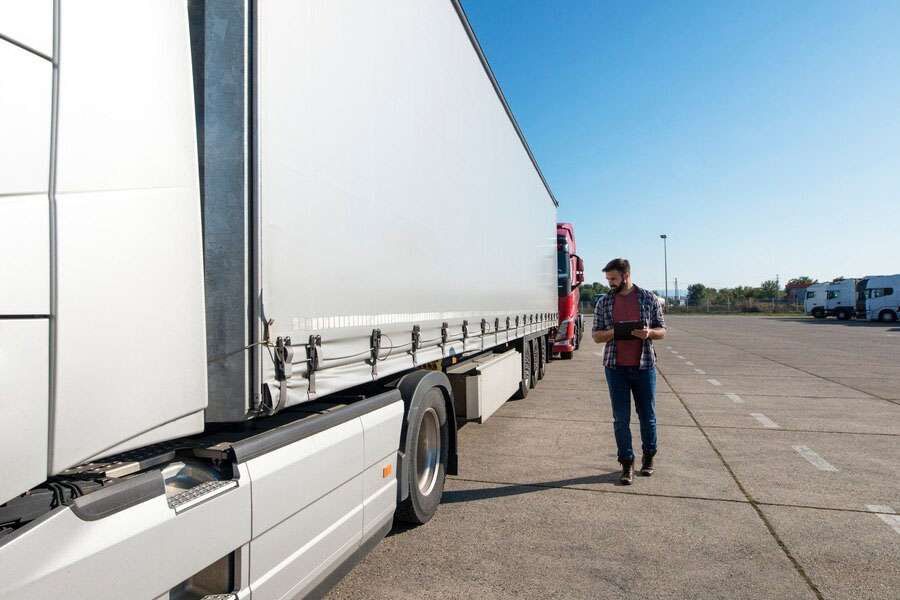
During pickup, the carrier attaches a bill known as the Bill of Lading. It records any existing damages. This inspection is essential because it sets a guide on the condition of the vehicle being transported and when it is delivered. When the car is delivered, another inspection takes place. If any differences are noted between the two conditions, then damage and liability can become the bone of contention.
Carrier Liability: What Is Covered?
The services of a car transport company include insurance for the cars being shipped. It covers any damage caused by the carrier while loading or unloading, during transportation, or when your car was secured improperly.
However, you should not miss the limitations of carrier liability insurance. Most policies do not cover over a set limit. The balance must be met out of your pocket if the total exceeds this limit. Moreover, such policies may not cover damages resulting from “Acts of God” – such as extreme weather conditions, floods, or falling objects.
As a snowbird, here are some questions you should ask from your transport company:
- What sort of insurance does the carrier provide?
- What is the maximum coverage limit per vehicle?
- Does their insurance cover both cosmetic and mechanical damage?
- Are there any exclusions, such as weather damages and similar ones?
Getting answers to these in advance will help manage expectations and assess the situation in case additional protective measures are necessary.

Does Your Auto Insurance Cover Car Damage in Transit?
In most cases, your current insurance provider may offer additional protection when your car is being shipped. As a Canadian snowbird, you should check whether your auto insurance company will provide additional coverage when your car is out of the country and being shipped/transported.
In such a scenario, two major auto insurance coverage may be suitable:
Comprehensive Coverage
This type of insurance provides coverage for damages caused by non-collision-related incidents like fire, theft, vandalism, fraud, or natural disasters. Comprehensive coverage also helps with repair costs if such elements damage your car during transport.
Collision Coverage
If your car is in an accident during transit, collision coverage can help with the payment for damage. Generally, this applies only when your car is physically hit by another vehicle or object during transportation and not by something like road debris or improper loading.
What to Do if Your Car Is Damaged in Transit?
No matter how careful one may be, mishaps usually occur. If your car sustains damage during the transit, you must act fast and follow the procedures properly so that you are compensated.
1. Inspect Your Car Upon Delivery
Once your car is delivered to your required location, do a thorough inspection to check for any possible damages. You should do this in the driver’s presence as you can record any potential defects in the Bill of Lading.
You can take pictures of the new damages and match them with the photos taken prior to car transportation. Key aspects to keep in mind is to ensure no damage goes unnoticed, from the exterior of the car to the engine.
2. File a Claim with the Carrier
In case of damage, inform the transport company and initiate a claims procedure. Documenting the particulars and taking photographs is a standard procedure for most carriers when submitting claims.
The carrier will, presumably, undertake an inquiry to establish whether the damage was caused by an agent’s lapse or an uncontrollable circumstance. If they accept the responsibility for damage, their insurance will bear the repair charges under its policy limits.
3. Contact Your Insurance Provider
If the carrier’s insurance does not fully pay the repair bill for damages caused to your car, you can file a claim with your auto insurance company. Make sure to contact your provider immediately to report the incident along with all the pertinent documents, such as the Bill of Lading and pictures of damages.
Key Considerations for Canadian Snowbirds
It would be helpful if Canadian snowbirds consider the following:
1. Review Your Auto Insurance Policy
You should contact your auto insurance provider and confirm whether your current policy covers damages during transit across borders. Clarify whether there are any limitations or exclusions for sending a car internationally.
Most auto insurance companies offer temporary extensions to snowbird Canadians who plan to be outside for a couple of months. This will alleviate your worries, ensuring that you are fully protected while your car is in transit and you are driving it in another country.
2. Get a Pre-Transport Inspection
Many carriers conduct pre-shipment inspections and note down any damage on record, but you should also do your inspection. Take detailed photos of the car from many angles, including close-ups of any existing dent, scratch, or wear.
This documentation you took serves as an accurate depiction of the condition of your car before it is transported. If you discover damage upon delivery, you can compare the condition to your pre-shipment photos to establish whether the damage occurred during transit.
3. Consider Additional Insurance Options
If you feel that your auto insurance, along with the carrier’s insurance, won’t be sufficient, you may go for supplemental insurance. Some transport companies provide it as an add-on option, or you can ask a third-party insurance company that specializes in vehicle shipping.
This type of insurance can bring the coverage much closer to the actual repair costs of the vehicle and the transport carrier’s liability. This can be particularly useful for those who own high-end or vintage cars, where the repair costs sometimes exceed the standard cost coverage.
Helping Snowbirds Injured Across North America
For over 40 years, we’ve been helping Canadians involved in car accidents and other personal injury incidents while traveling in the United States. Each year, millions of snowbirds—residents from Canada (and the northern U.S.A) — head south to escape the cold. Unfortunately, accidents happen. When they do we are here to help navigate the legal and insurance challenges that arise.
Cross Border Accidents and claims are very complicated!
Call the Free Snowbird Helpline 1-800-587-6992
Or Email – snowbirdaccidents@yahoo.com,
Or https://snowbirdaccidents.com/contact/